Use an alarm clock,
not your phone
Most of us keep the phone by the bed for two reasons: it wakes us up, and someone might need us. Both have simple answers that don't involve sleeping next to every app you own.
In this article5 sections · 6 min
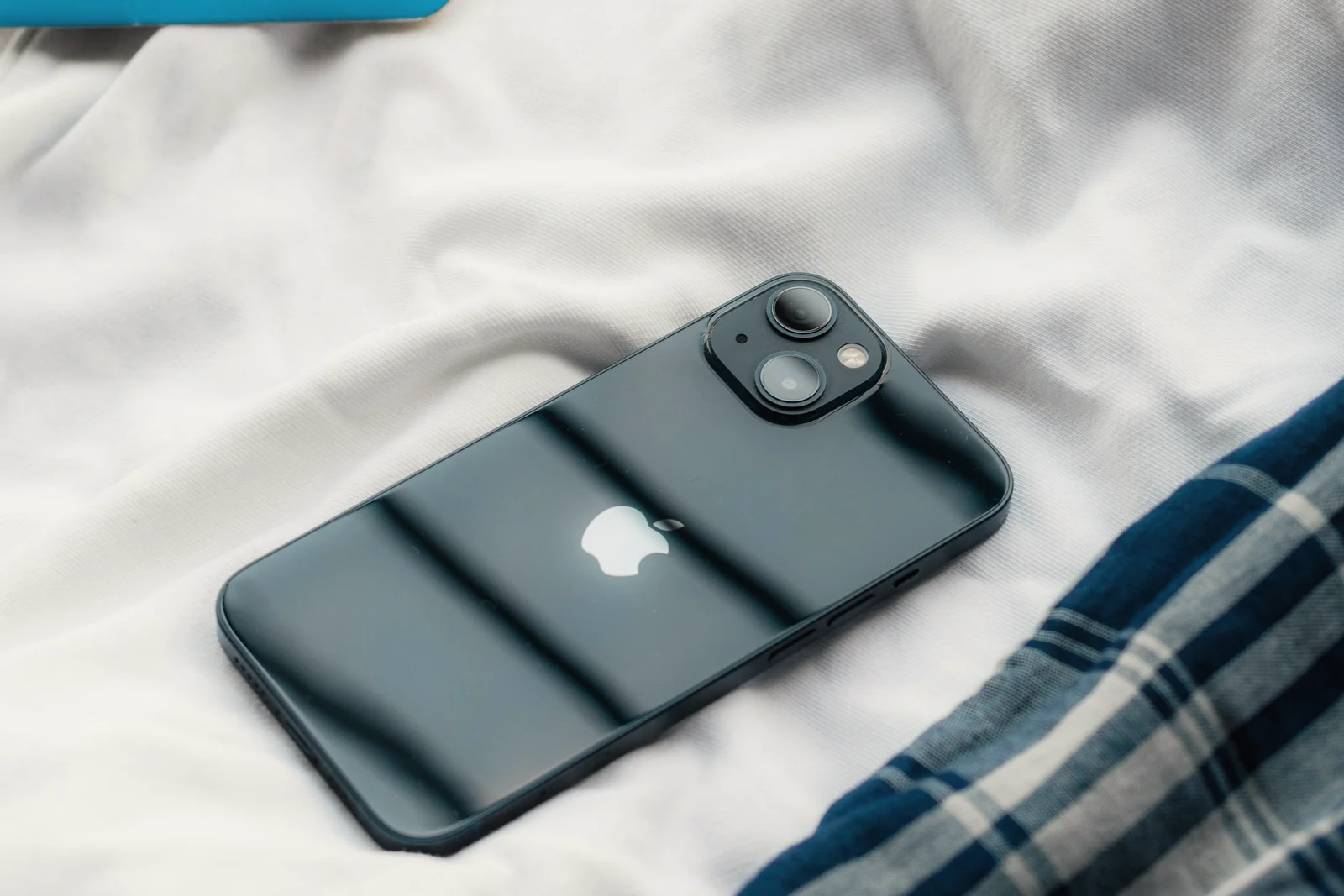
The usual reason the phone sleeps next to you isn't Instagram. It's the alarm. When Beter Bed, a Dutch mattress retailer, asked people why they kept their phone in the bedroom, 58% said the alarm and 26% said they wanted to be reachable in an emergency. It's a commercial survey with self-reported answers, so treat the numbers loosely, but the two reasons will sound familiar.
Both are solvable. A cheap alarm clock takes over the first job, and a few phone settings cover the second. Here's why it's worth doing, how to set it up, and what to do about the worries that keep the phone on the nightstand.
The problem is the phone in bed
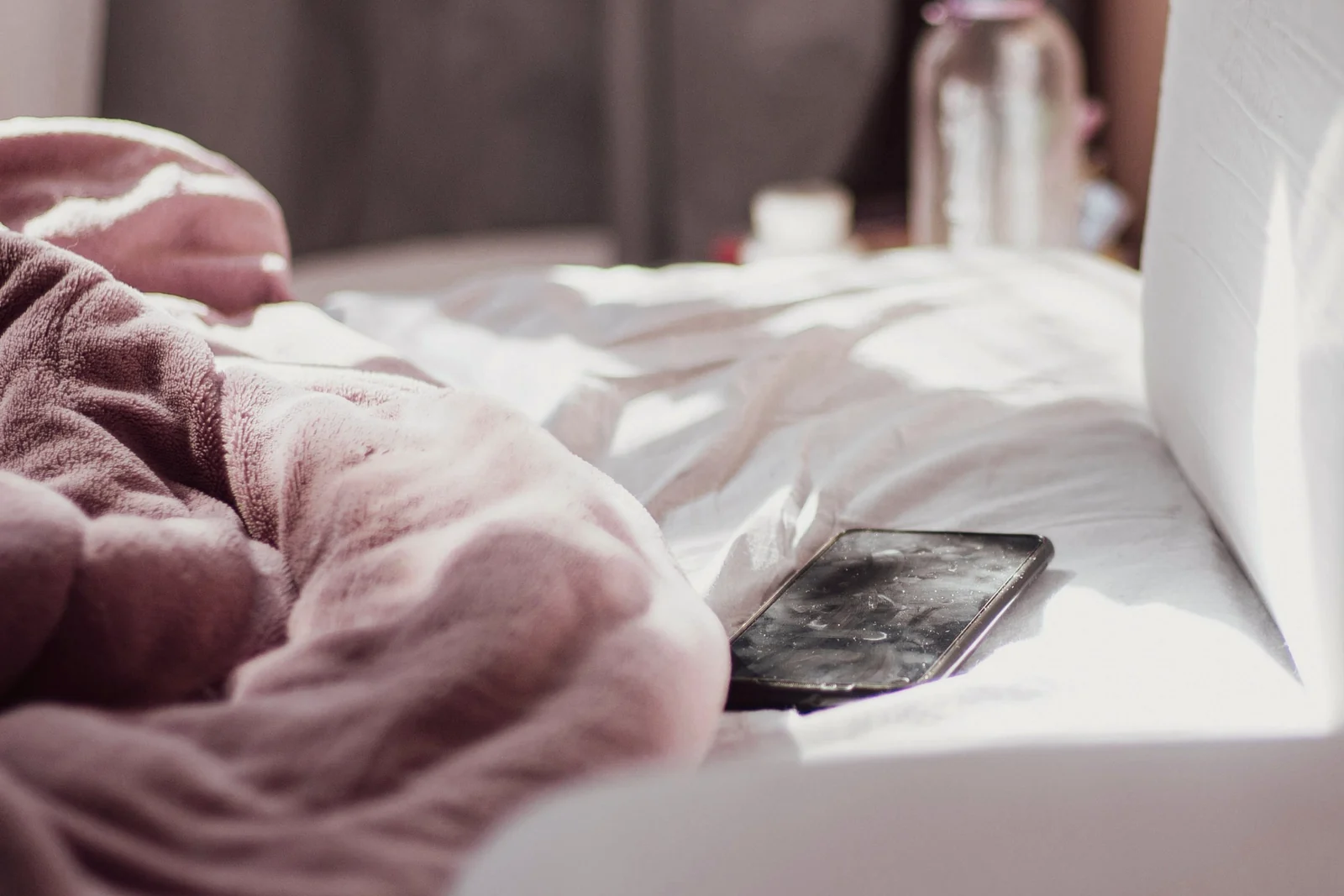
It's easy to treat the phone as something toxic that has to leave the house at night. The research points somewhere more specific. In a 2022 study in Personal and Ubiquitous Computing, 75 people wore a ring that tracked their sleep and heart rate. Using the phone in bed had significant adverse effects on how long they took to fall asleep, how long they lay awake, their average heart rate and their heart rate variability. Using the phone before bed but out of bed did not lower their sleep quality.
That's one study with 75 people, so it isn't the last word. But it fits the advice from sleep experts. The National Sleep Foundation, via HealthDay, suggests keeping the phone out of reach while you sleep, in another room or at least away from the bed, and getting an actual alarm clock. The goal isn't a phone-free life. It's a bed with no phone in it.
There's also a softer argument. In a 2017 study of nearly 800 smartphone users, people whose phone was in another room did best on cognitive tests, compared with those who had it face down on the desk or in a pocket or bag. That was about daytime tasks, not sleep, and later attempts to repeat the result have been mixed. Take it as a hint that out of sight helps, not as proof.
Why an alarm clock beats the phone
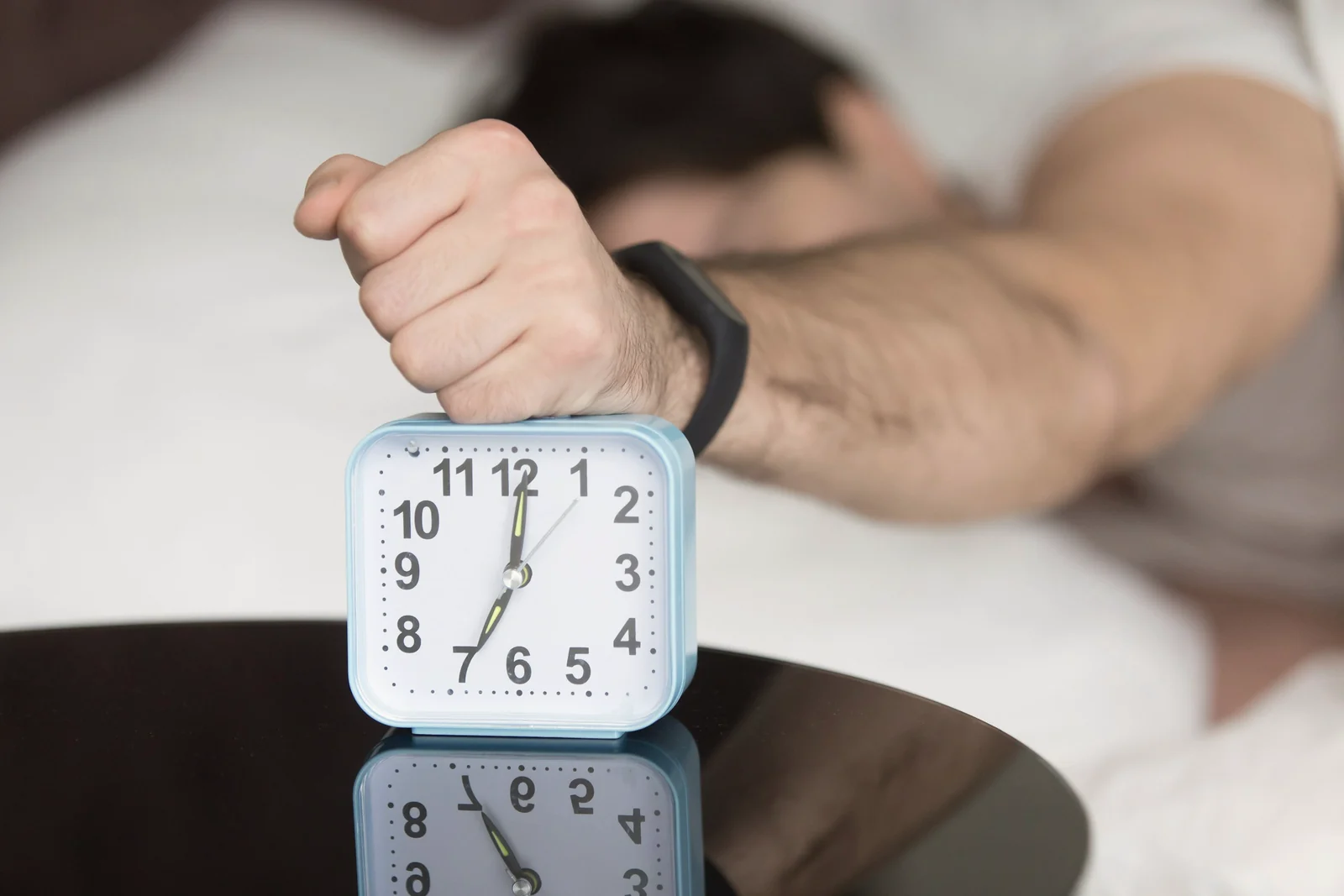
The phone is a good alarm. That's the trouble. Sleep physician Dr. Shalini Paruthi, speaking to CNN, points out that a phone on the nightstand makes the snooze button easy, while a phone in another room takes away the chance to get distracted.
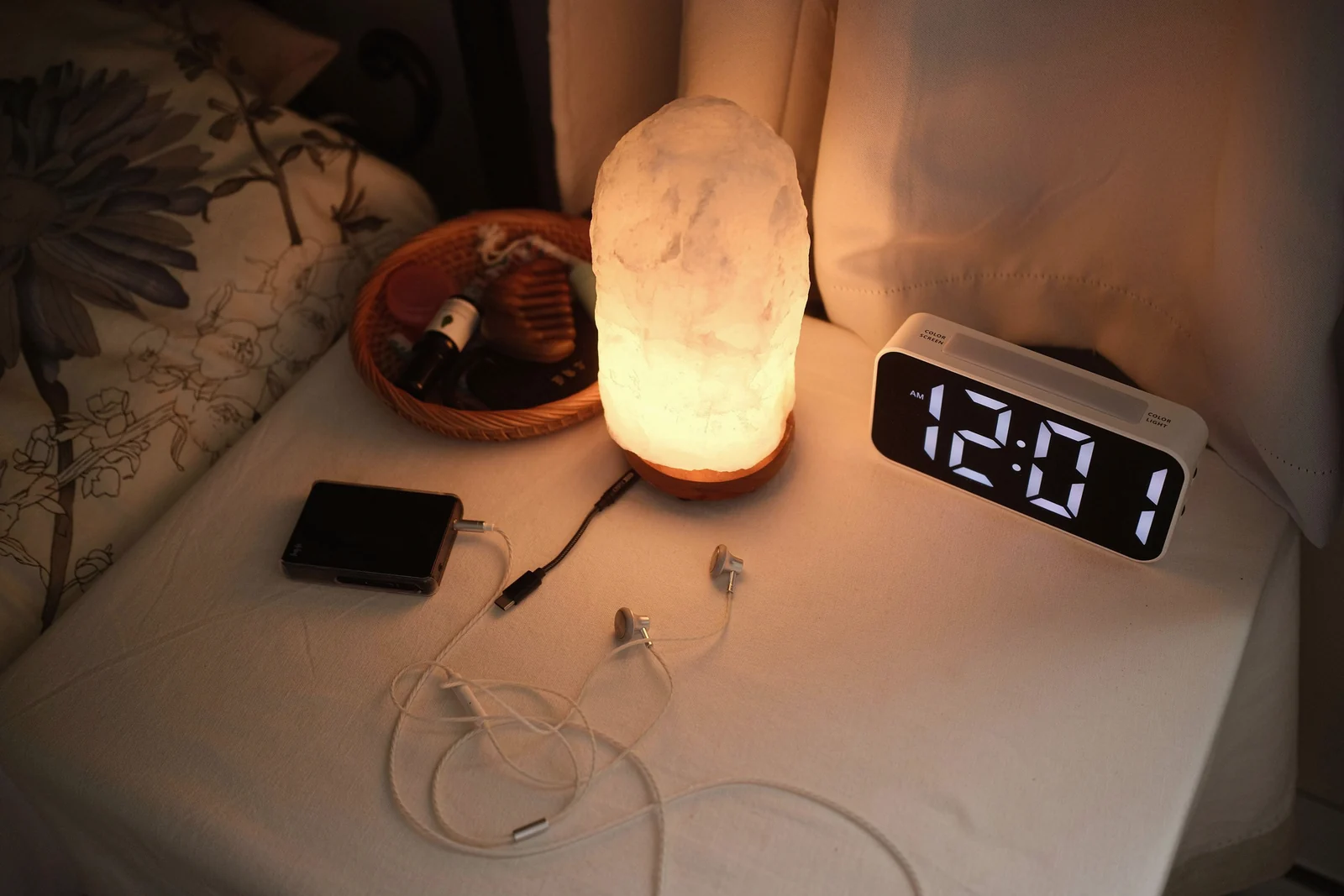
- It does one thing. An alarm clock can't show you a message at 11:50 p.m. or a news alert at 6:01 a.m.
- It breaks the morning chain. When the phone is the alarm, switching it off puts the lock screen in your hand. More on that in how to stop checking your phone the second you wake up.
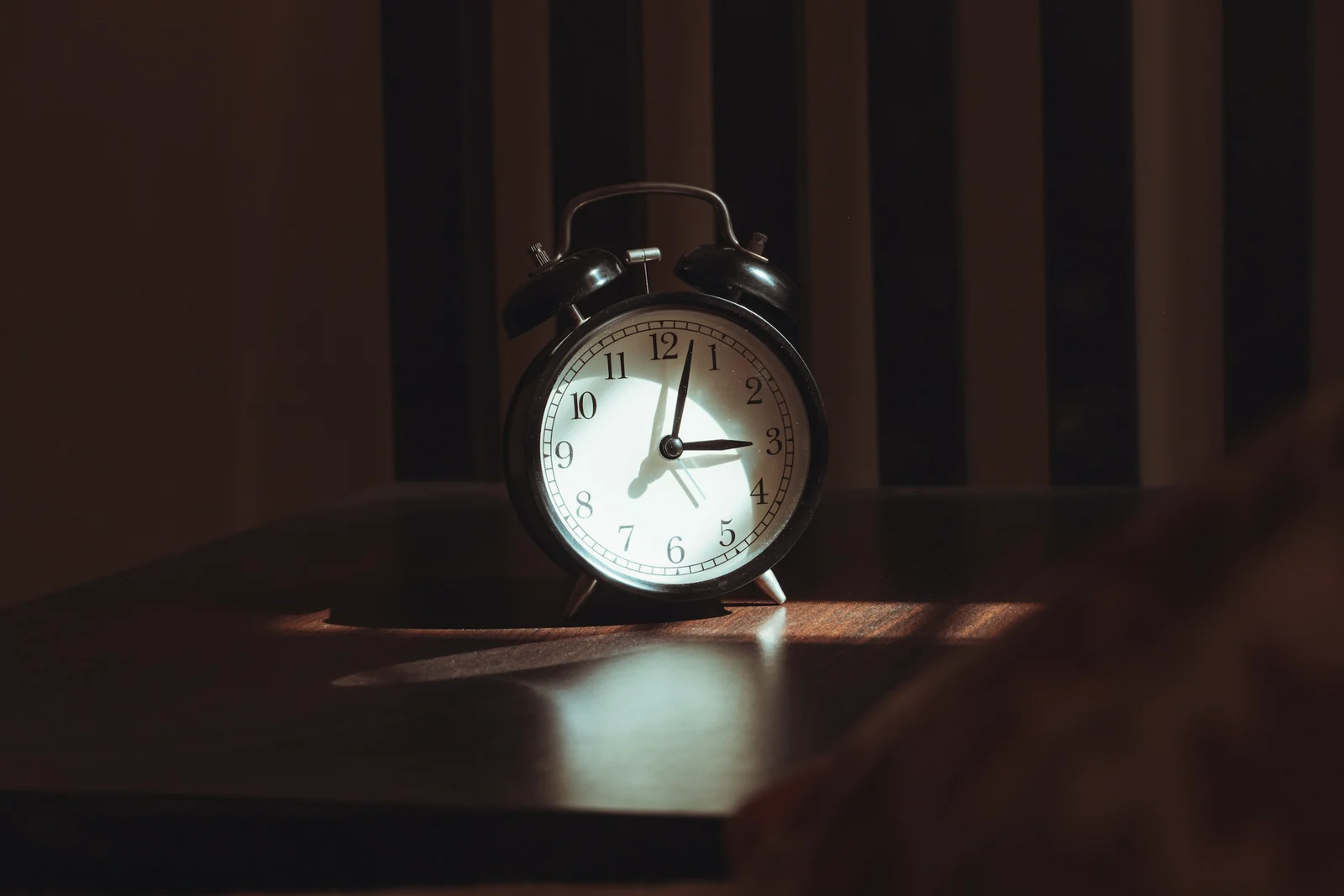
- It can wake you the way you like. Paruthi notes that dedicated alarm clocks come with options such as vibration, light, different sounds and even puzzles to switch them off.
How to set it up
None of this needs to be expensive or clever. The aim is that by bedtime, the phone is charging somewhere you can't reach from the pillow.
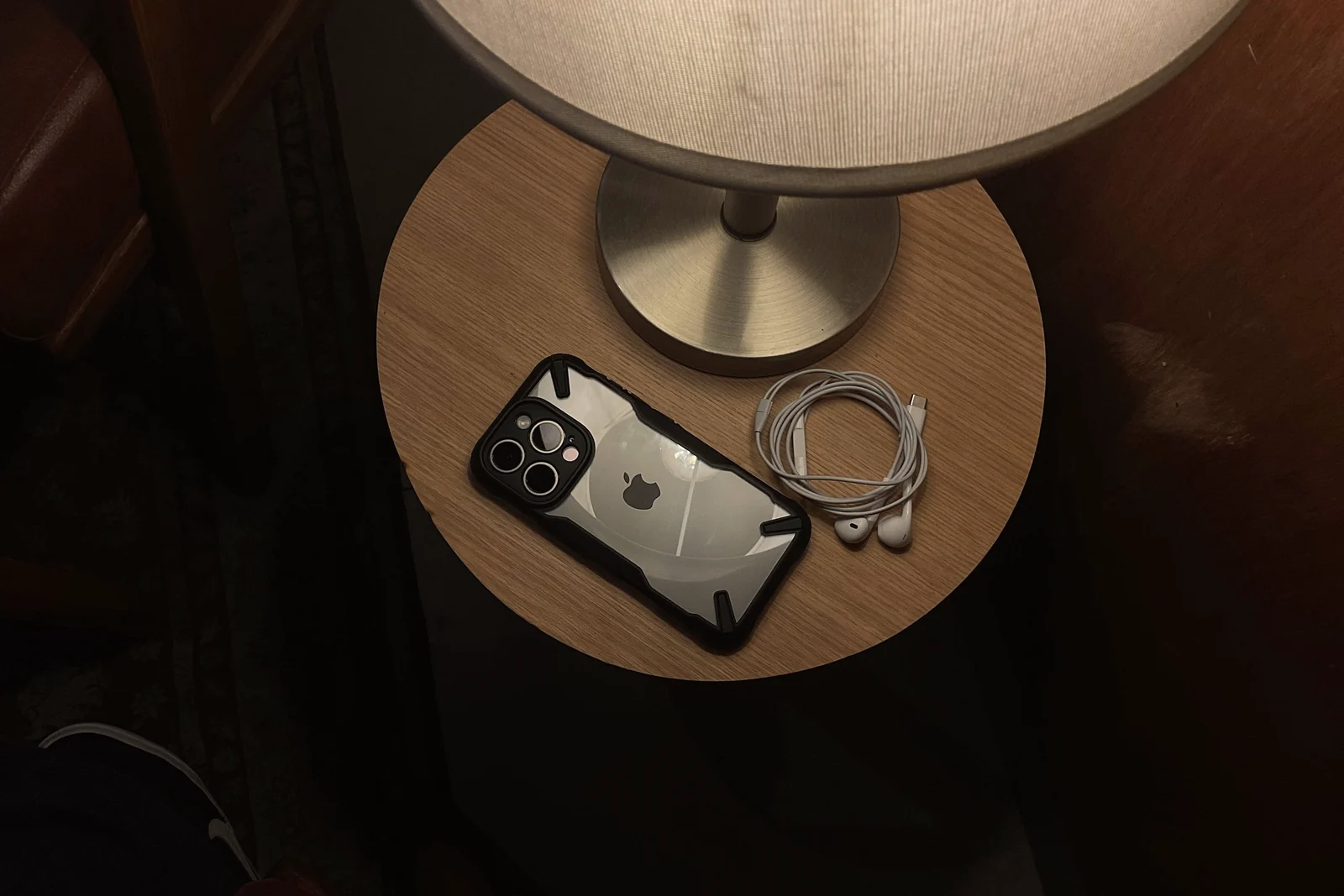
- Pick a charging spot outside the bedroom: the kitchen, the hallway, a shelf by the front door. Leave the charger there for good, so you don't have to decide each night.
- Set the alarm clock for the time you actually need to get up, and turn off snooze if it has one.
- Put the clock across the room if you tend to snooze, so switching it off means standing up. Our guide to getting out of bed in the morning goes deeper on this.
- Dim the display, or turn the face away from you. A bright clock at 3 a.m. invites you to start counting the hours.
- Bring a paper book or a notebook for the last minutes in bed, so the empty space has something in it.
If the hard part is the hour before bed rather than the night itself, start with how to stop using your phone before bed, and use the alarm clock to finish the job.
A one-week switch
Doing it for a week tells you more than promising to do it forever.
- Night 1: buy or dig out a clock. Set it, test it, and still keep the phone alarm as a backup, in the hallway where you'll hear it.
- Night 2: move the charger. Phone out of the bedroom from now on. Check that you can hear it ring from bed if you're relying on calls.
- Nights 3 to 5: drop the backup. Once the clock has woken you twice, trust it.
- Night 6: try a hard night. A late one, or one where you're anxious about something. Notice what makes you want the phone back.
- Night 7: decide. Keep what worked. If one worry keeps coming back, the questions below probably cover it.
Common questions
Can I use my phone as an alarm if I put it across the room?
Yes, and it's a big step up from the nightstand. You have to stand up to switch it off, which makes snoozing harder. The catch is that you're then holding it, and the night before it's only a few steps away. If you go this route, leave it on the far side of the room and don't take it back to bed. That's the part the research suggests matters most.
What if I need to be reachable at night?
Charge the phone just outside the bedroom door with the ringer on, so you'd hear a call. Both iPhone and Android let Do Not Disturb or Sleep Focus let through calls from contacts you choose, such as family or favourites, while everything else stays silent. If you're on call for work or caring for someone, a landline or a second basic phone by the bed is another option. Reachable doesn't have to mean scrolling distance.
Which alarm clock should I buy?
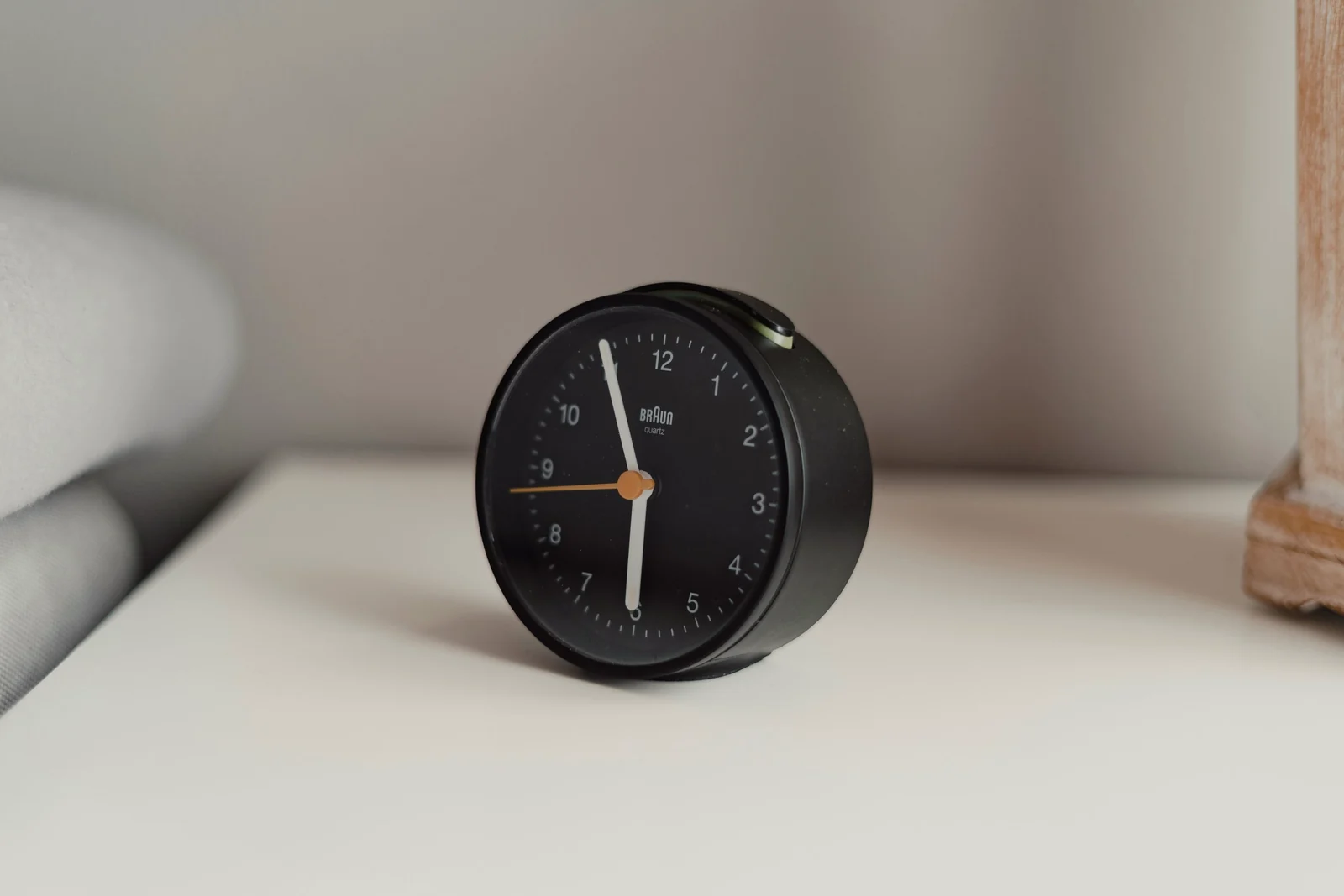
Any one you'll actually use. A simple analog clock with a silent movement works if ticking keeps you up. A digital clock is fine if the display dims. If loud beeps are a rough way to wake, a sunrise lamp clock brightens gradually before the alarm. Pick one with battery backup if power cuts happen where you live.
Will I oversleep?
Probably not, but the worry is real, which is why the first week keeps the phone alarm as a backup. Test the clock on a weekend first, double-check AM and PM, and replace batteries before they run flat. After a few mornings of it working, the worry usually fades.
Do I need to keep the phone out of the bedroom completely?
Not necessarily. The study above found the harm came from using it in bed, not from it being in the house. Out of reach is the goal. Another room is just the easiest way to get there. If the bedtime pull is strong, built-in tools help too: see how to block apps at night and why Screen Time downtime stops working.