Does night mode
help you sleep?
Night Shift, Night Light, blue light filters: most phones now turn warm at sunset, and plenty of us assume that settles it. The research is more interesting than that, and a little humbling.
In this article7 sections · 6 min
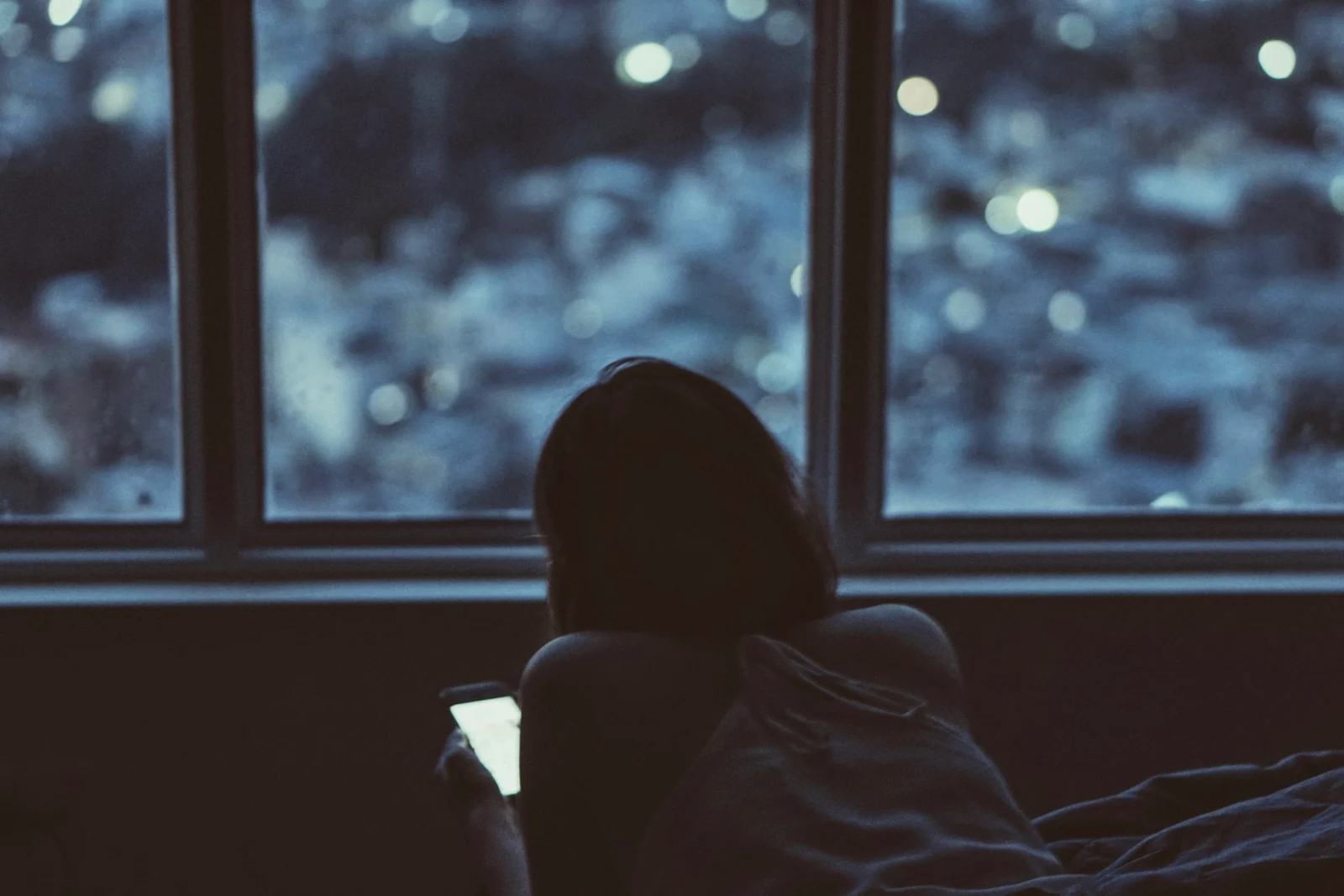
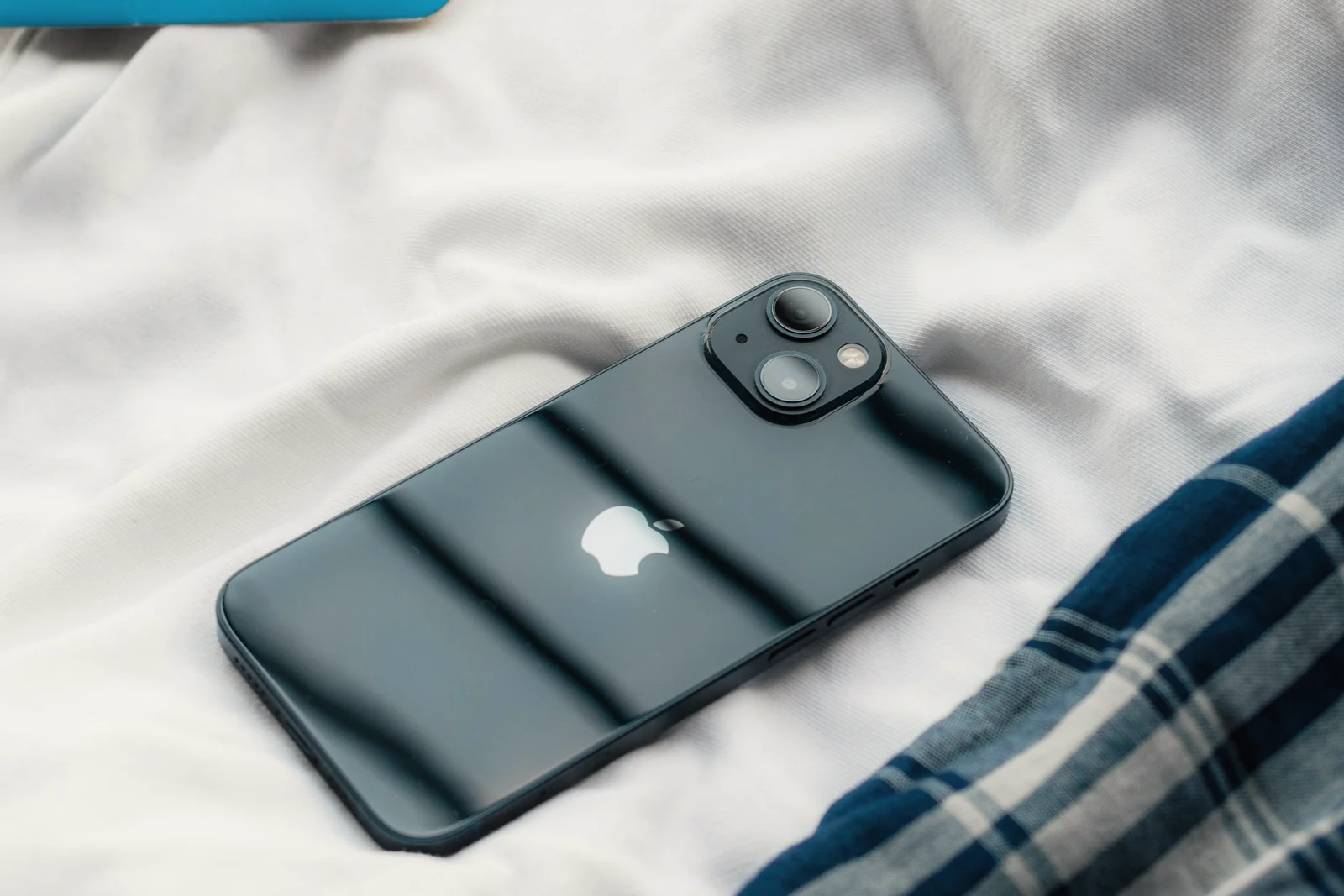
Every modern phone has a setting that turns the screen warm in the evening. Apple calls it Night Shift, Android usually calls it Night Light, and plenty of apps sell a blue light filter on top. The pitch is simple: blue light keeps you awake, so take out the blue and you can scroll in bed without paying for it in sleep. The question is whether that holds up when someone measures sleep. Here is what three pieces of research found, and what seems worth doing either way.
Why blue light got the blame
Light is the main signal your body clock uses to tell day from night. Bright light in the evening, and the blue part of the spectrum in particular, can tell that clock it's still daytime. That's the reasoning behind night mode, and it comes from real lab work.
The study most often cited is by Chang, Aeschbach, Duffy and Czeisler, published in PNAS in 2015. In a lab, twelve healthy adults spent five evenings reading for four hours before bed on a light-emitting iPad. On another five evenings they read a printed book. Everyone did both, so each person was compared with themselves.
After the iPad, compared with the book, the researchers found:
- Slower to fall asleep. Nearly 10 minutes longer, on average.
- Less REM sleep. Significantly less of it during the night.
- A shifted body clock. Evening melatonin was suppressed and the timing of the body clock moved later.
- Groggier mornings. People felt more tired and took longer to become alert the next day.
The tablet's backlight peaked at around 450 nanometers, which is blue light. But look at the setup. Twelve people is a small group. Four hours of reading every evening is far more than most of us spend on a screen in bed. And it was an ordinary light-emitting tablet, with no night mode involved. The study shows that a bright screen, used for a long time, can affect sleep in a lab. It didn't test whether warming the screen fixes that.
What happened when someone tested Night Shift
That test came later. In 2021, researchers at Brigham Young University published a study in Sleep Health asking exactly the question in its title: does iPhone Night Shift mitigate the negative effects of smartphone use on sleep?
They recruited 167 iPhone users aged 18 to 24 and split them at random into three groups. For seven nights, everyone spent the hour before bed in one of three ways: on their iPhone with Night Shift on, on their iPhone with Night Shift off, or with no phone at all. Sleep was measured with a wrist-worn activity tracker, not by asking people how they slept.
The result: no significant differences in sleep between the three groups. Night Shift on looked about the same as Night Shift off, and both looked about the same as no phone.
There was one more finding, and it needs a careful label. In an exploratory look that wasn't part of the original plan, the researchers split out the people who slept more than about 6.8 hours. Among them, the no-phone group had the best sleep efficiency, meaning more of their time in bed was spent asleep. Exploratory results like this are hints, not conclusions. Still, it's worth noticing that the thing that came out ahead wasn't a different screen color. It was not using the phone.
What about blue-light glasses?
Glasses that filter blue light are a different product, but they rest on the same idea, and they've been studied more. A Cochrane review in 2023 pulled together 17 randomized trials with 619 people in total. The authors found that blue-light filtering glasses probably make no difference to eye strain in the short term. On sleep, the results were mixed and inconsistent between trials, and the authors called for better studies before drawing conclusions.
That review is about glasses, not phone settings. It points the same way, though: the evidence that filtering blue light improves sleep is thinner than the marketing suggests.
So does night mode help you sleep?
Here's the honest summary. Bright light, and the blue part of it, can affect the body clock under lab conditions. Phone night mode on its own hasn't shown a clear sleep benefit in the one randomized trial we found that tested it. And in that trial, the option that did best in the exploratory look was putting the phone away.
If you like night mode, keep it on. It's free and nothing here says it does damage. Just don't treat it as permission. The color of the screen may matter less than what's on it and how long you look.
That last part, what's on the screen, deserves its own flag. It seems likely that an engaging feed, a tense group chat or a cliffhanger keeps your mind switched on in a way a warm color can't fix. That's a plausible idea, but these studies didn't test it, so treat it as a separate point. We go into it more in whether it's bad to use your phone before bed.
What to try instead
These are general, low-cost, and easy to undo.
- Turn the brightness down. Night mode changes the color; brightness changes how much light reaches you. Drop it in the evening, especially in a dark room.
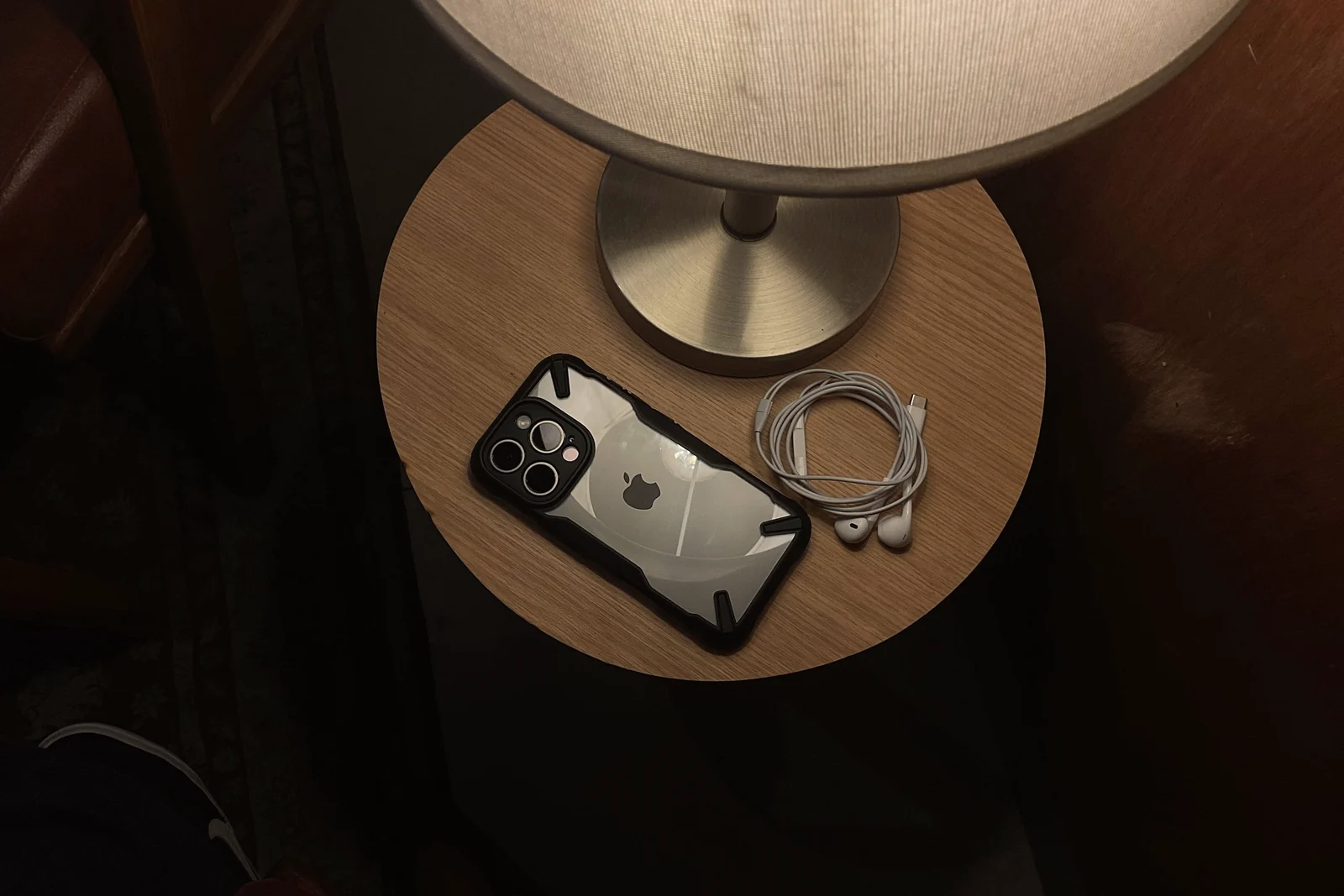
- Dim the room too. A lamp on low instead of the ceiling light lowers the overall light around you, not just the light from one screen.
- Charge the phone across the room. This is the one that changes the most, because it removes the choice. Our guide to using an alarm clock instead of your phone covers the practical side.
- Pick a cutoff you can keep. See how long before bed to put your phone away for what the guidance says and how to make it stick.
A filter and a blocker work on different things
A filter changes the color of the screen. You still have the same apps, the same feeds and the same hour in bed. A blocker works on a different lever: it takes chosen apps off the table for a stretch of time, so there's less to look at in the first place. Neither one makes you sleepy. They just answer different questions, and you can use both. If you want to start with the settings already on your phone, here is how to reduce screen time before bed with them.
Common questions
Does Night Shift on iPhone help you sleep?
In the one randomized trial we found, it didn't make a measurable difference. 167 young adults used their iPhones for an hour before bed with Night Shift on or off, or didn't use a phone, and sleep was about the same across all three groups. That study had limits, so it's not the last word, but it's the best direct test so far.
Is blue light from phones bad for sleep?
Bright evening light, especially blue, can suppress melatonin and shift the body clock. That was shown in a lab with four hours of tablet reading a night. A typical few minutes on a dimmed phone is a much smaller dose, and the studies don't tell us exactly where the line is.
Do blue-light glasses help you sleep?
The evidence is mixed. A 2023 Cochrane review of 17 trials found inconsistent results for sleep and probably no short-term benefit for eye strain. The authors asked for better trials.