How to stop doomscrolling
in bed
It's late, the room is dark, and you're on the fourth story about something you can't change tonight. Here's why the news is so hard to put down in bed, what the research can and can't tell us, and a plan that doesn't depend on willpower at midnight.
In this article5 sections · 7 min
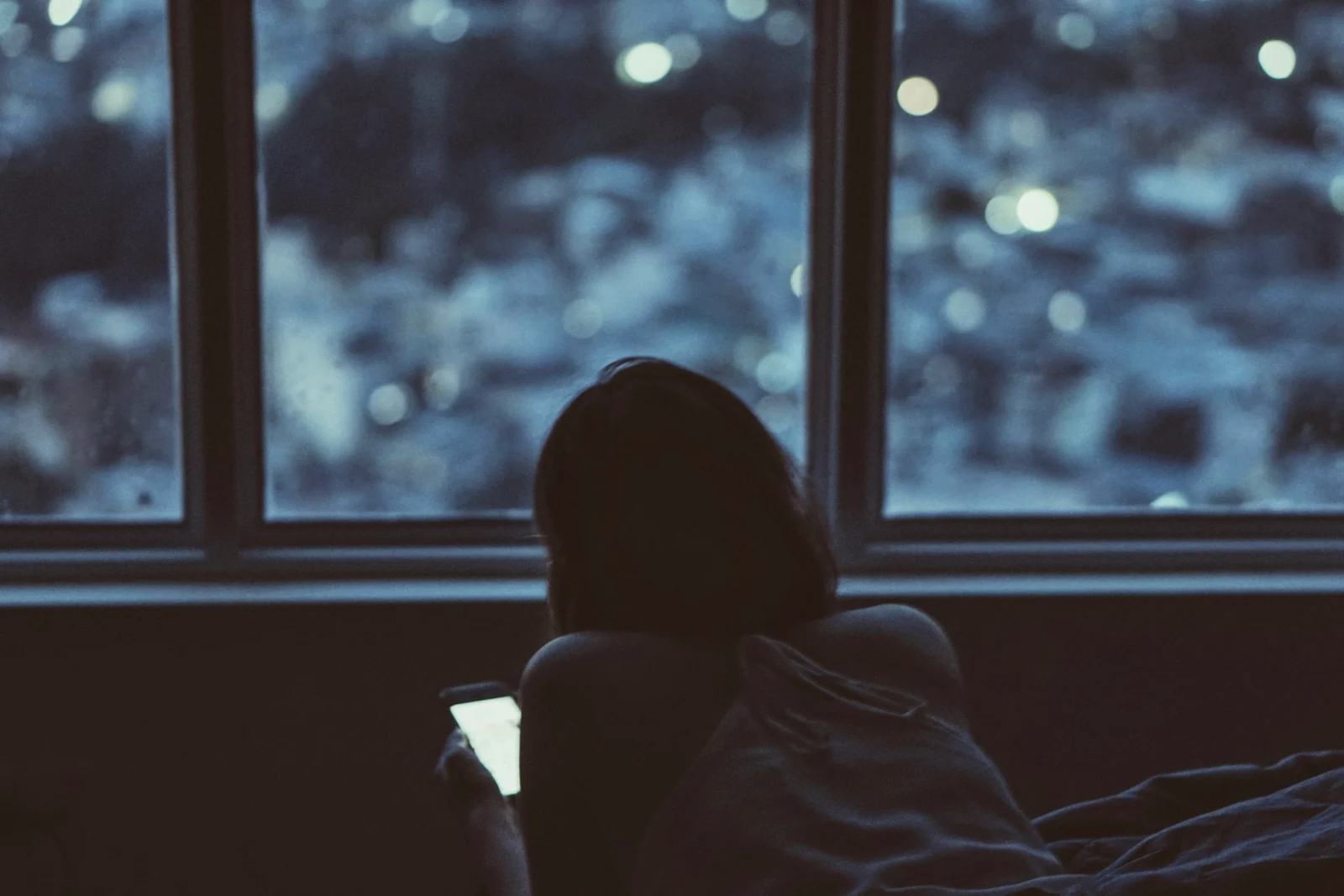
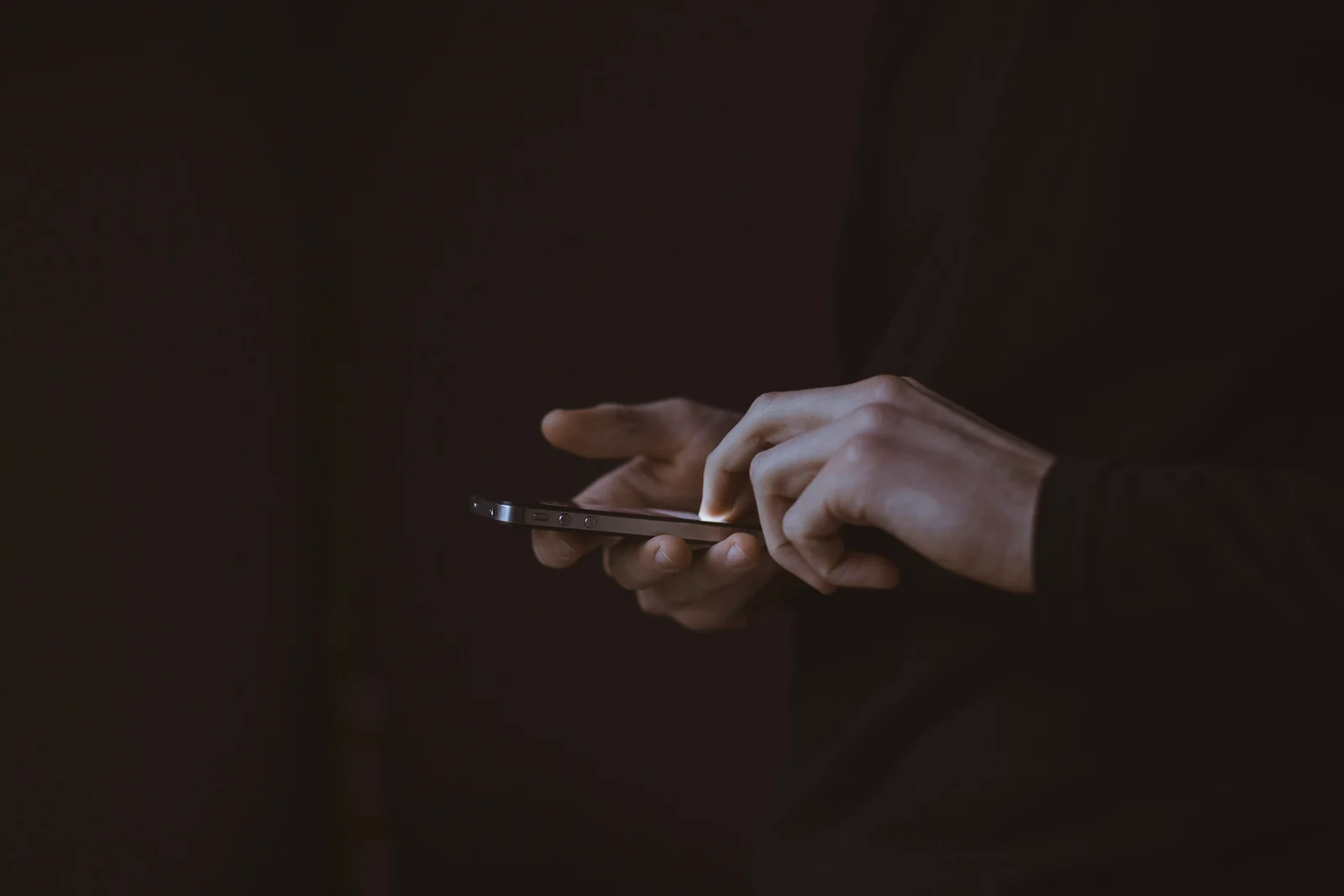
You meant to check one thing. Now it's 12:40, the room is dark, and you've read five stories about something awful that you can't do anything about tonight. You feel more awake than when you got into bed, and a little worse. That's doomscrolling: moving from one piece of bad news to the next, long past the point where it tells you anything new.
This guide is about that specific habit, the news and anxiety side of late night scrolling. If your problem is more general, our guide to putting your phone down before bed covers the wider picture, and if you stay up because the evening is the only time that feels like yours, that's revenge bedtime procrastination, which has its own fix. Here the short version is this: decide when the news ends while it's still light out, put the phone where your hand can't reach it, and give your worries somewhere to go that isn't a feed.
Why bad news is so hard to stop reading at night
Ask people why they keep reading and you hear the same few reasons. None of them are silly.
- It feels responsible. Something serious is happening, and looking away feels careless. Reading one more update feels like doing something, even when it changes nothing.
- The story never ends. A news feed, like any feed, has no last page. There is always a newer update, a reaction to the update, and a thread about the reaction.
- Night removes the brakes. During the day, work and other people interrupt you. In bed, nothing does. The phone is the only light in the room and the only thing asking for your attention.
- Worry wants an answer. When something has you on edge, it's natural to keep looking for the piece of information that will settle it. Late at night, that piece rarely arrives.
Those reasons describe the pattern people report. The studies below describe it too. None of them explain the mechanism in the brain, so be wary of anyone who claims to know exactly what's going on in yours.
What the research says, and what it can't
The clearest recent number comes from a poll by the American Academy of Sleep Medicine (AASM), run by Atomik Research with 2,007 US adults in June 2025 and released in February 2026. In it:
- 38% said reading news on a phone or tablet before bed makes their sleep slightly or significantly worse.
- Among 18 to 24 year olds, that rose to 46%.
- Only 14% said they never read news on their devices at bedtime, according to HealthDay's coverage.
- Half said they use a screen in bed every day.
The margin of error is plus or minus 2 points. It's a poll, so it tells you what people believe about their own sleep, not what the news measurably does to it. AASM's Dr. James Rowley pointed to the combination: screen light paired with upsetting content can throw off the body clock.
A step further back, researchers at Texas Tech (McLaughlin, Gotlieb and Mills, published in Health Communication in 2022) surveyed about 1,100 US adults. They found 16.5% had "severely problematic" news consumption: news filled their waking thoughts and cut into their sleep and family time. That group reported far more mental and physical ill-being than everyone else. A 2024 replication found a smaller severe group, 7.5%, with the same pattern.
And a study in BMC Psychology in December 2025 found that, in adults, doomscrolling went along with poorer sleep quality. Part of that link was explained by nomophobia, the fear of being without your phone. Fear of missing out did not explain it.
None of this proves the news ruins sleep. It does show that a lot of people feel it does, and that the heaviest readers fare worst.
All three are surveys taken at one point in time, so they can't show cause. Maybe the news keeps people up. Maybe people who sleep badly read more news because they're already awake. Probably some of both. The useful part for you is practical: if you're one of the people who feels worse after reading in bed, you're in large and ordinary company, and it's reasonable to change the habit.
How to stop doomscrolling in bed
The idea behind every step here is the same. Make the decisions earlier in the day, when you're calmer, and make the late night version of you have to work harder to undo them.
- Set a news cutoff in the early evening. Pick a time, say 8 p.m., after which you don't open news apps or news accounts. Read what you need before then, properly, once. For help picking the time, see how long before bed to put your phone away.
- Use a "last look" rule. At the cutoff, allow yourself one final check: headlines only, five minutes, then close the app. Knowing the last look is coming makes it easier to skip the ones in between.
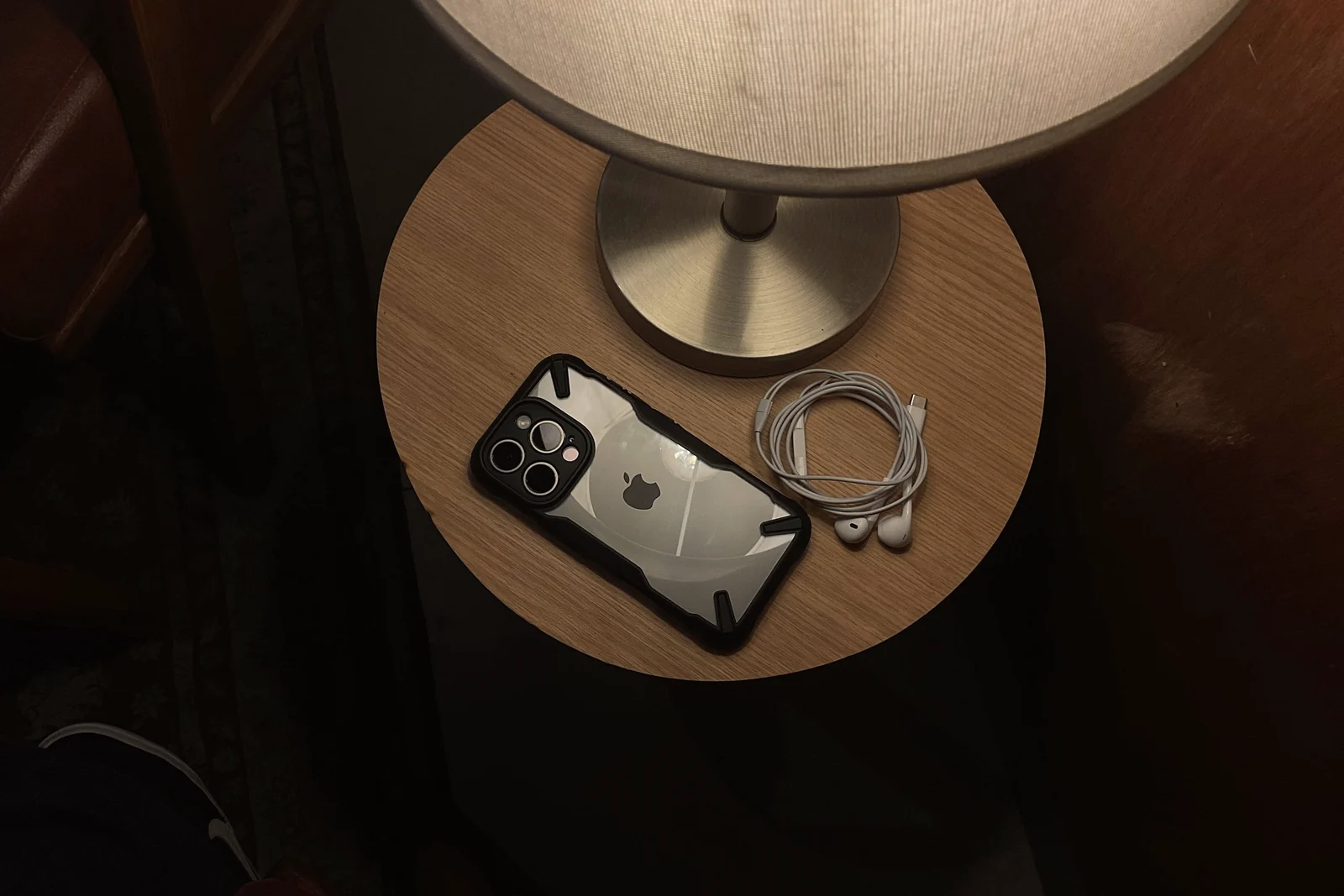
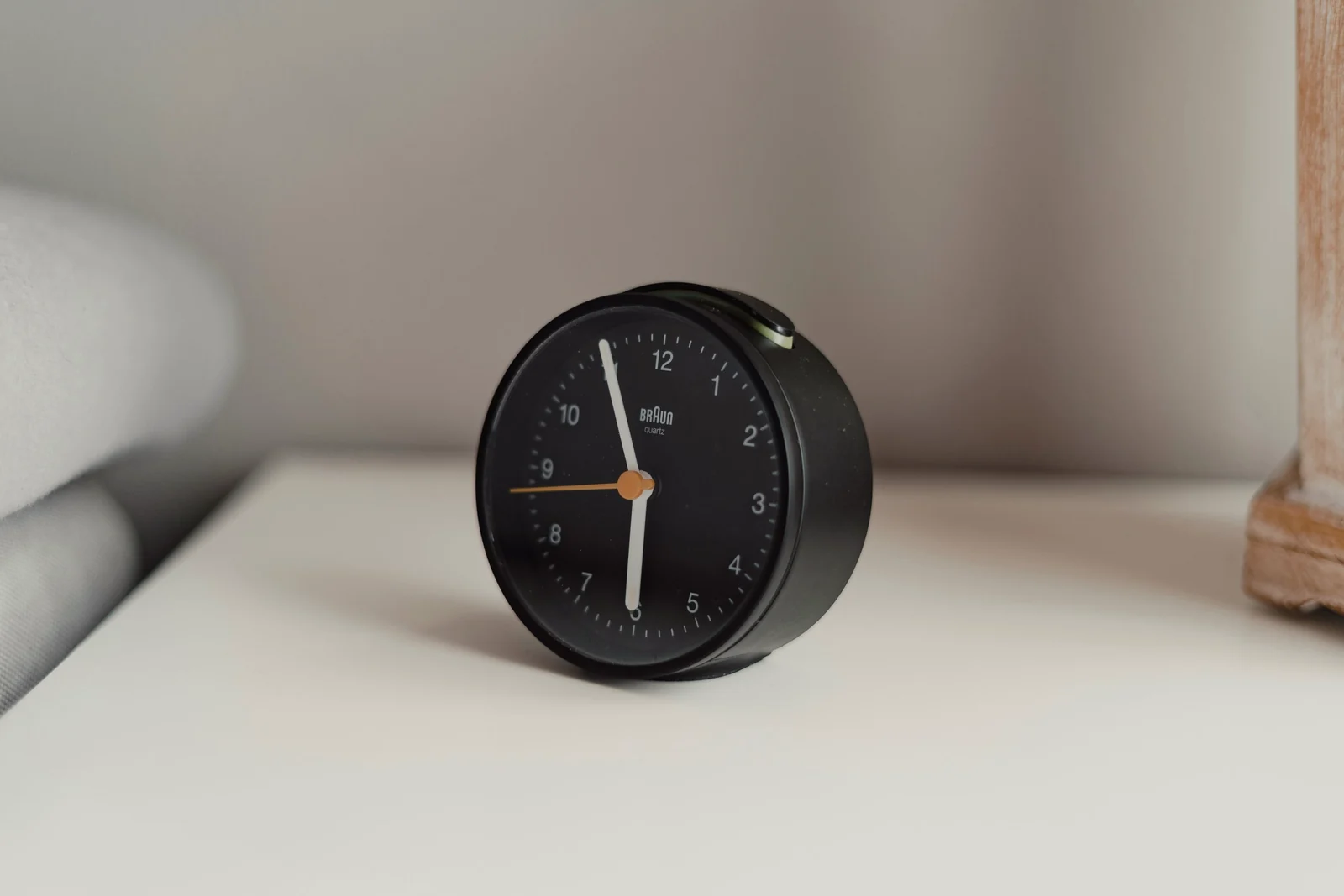
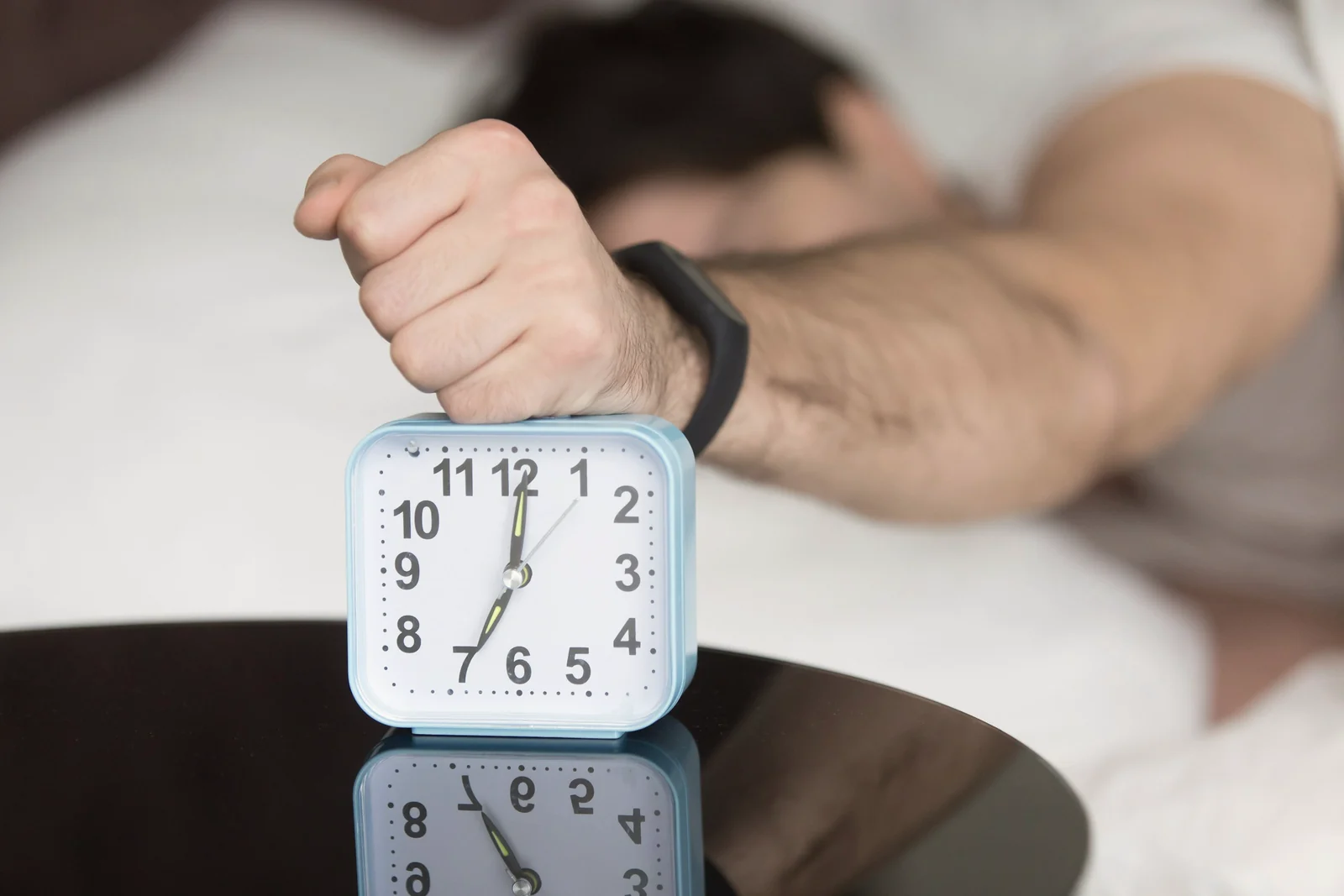
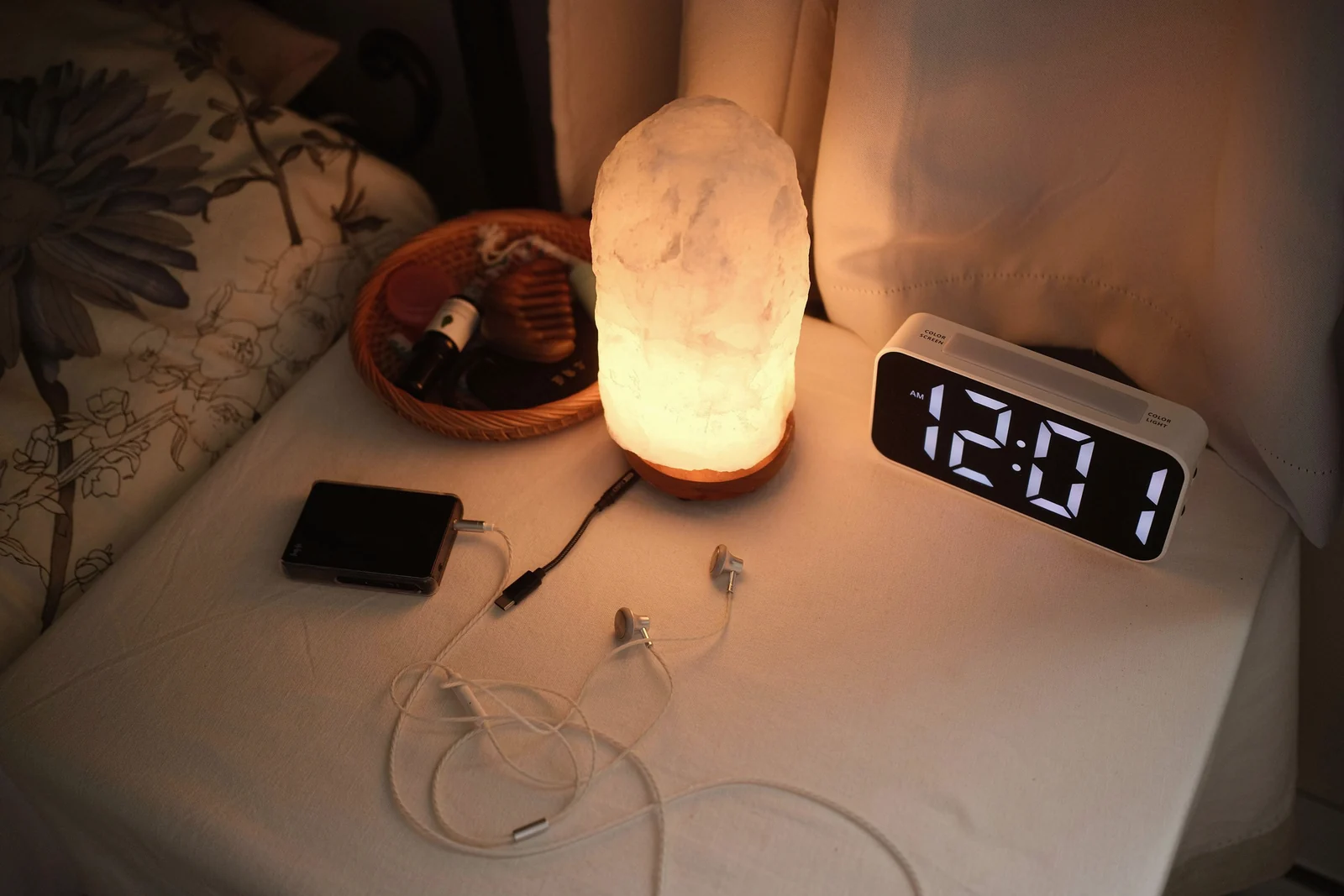
- Charge the phone out of reach. Across the room, or better, outside the bedroom. If it's your alarm, a cheap alarm clock takes that excuse away. Getting out of bed to read the news is a much bigger decision than reaching for the nightstand.
- Mute the triggers. Turn off breaking news alerts. Mute the accounts and keywords that reliably leave you anxious, at least after dark. You can still choose to read about something. It just stops choosing you.
- Park the worry on paper. Keep a notepad by the bed. When something is circling, write it down along with what, if anything, you'll do about it tomorrow. Then it has a place to wait that isn't your phone.
- Let the shield happen without you. Willpower is lowest right before sleep. Set up a scheduled block on news and social apps during the day so it switches on by itself. Our guide to blocking apps at night on iPhone and Android starts with the free built-in tools.
You don't need all six at once. If you only try one, make it the charger. Distance beats any setting.
What to do instead in the last hour
Stopping the news leaves a gap, and an anxious mind fills gaps fast. Have something ready that's calm, easy to start, and has an ending: a few pages of a paper book, a podcast on a sleep timer with the phone face down, a short stretch, a conversation with whoever you live with. It doesn't have to be improving. It only has to be gentler than a feed. If you'd like a fuller shape for the evening, our guide to a night routine for better sleep walks through a realistic version.
And if you slip one night, don't make it a verdict. Notice what pulled you back in, adjust one thing, and try again tomorrow.
Common questions
Is it bad to read the news before bed?
Not for everyone. In the AASM poll, 38% felt it made their sleep worse, which also means most people didn't say that. If you fall asleep easily after reading, it may not be your problem. If you lie there replaying what you read, move the news earlier.
How do I stay informed without doomscrolling?
Pick one or two trusted sources and read them once or twice a day, at set times, in daylight. A daily summary or newsletter gives you the main stories with an ending built in, which a live feed never does.
Why do I feel more anxious after scrolling at night?
Many people report it, and the studies above find that heavier news reading goes along with worse wellbeing and sleep. They can't say which causes which. If anxiety or poor sleep sticks around for weeks, or gets in the way of your days, talk to a doctor. That's worth doing whatever the cause.
Does turning off news notifications actually help?
It removes the moments when news reaches you uninvited, which is often how a late night scroll starts. It won't stop you opening the app yourself, so pair it with the charger across the room.